
Few building features are as overlooked or predisposed to exposure as parapets. They’re the low walls capping roofs, the quiet boundary between structure and skyline. For decades, they’ve existed in a gray zone of compliance: visible yet rarely inspected, integral yet often forgotten.
That’s changing.
Local Law 126 has made annual parapet inspections a standing requirement for any building facing a public right-of-way. In effect, New York City has just brought one of its most neglected structural elements into the formal maintenance cycle.
Why Parapets Matter
Parapets do more than define the roofline. At one time they told a story, think geopolitics at the time or advertising, but eventually they turned more to function. They protect the roof membrane from wind uplift, they act as a barrier at the edge, and divert water away from façades. When they fail, the results can be serious, including falling masonry, loosened coping stones, or displaced flashing that allows water infiltration down the wall.
“routine attention costs less than neglect”
Until now, those risks were addressed inconsistently. Most parapet repairs were reactive, prompted by visible cracking or by façade work under Local Law 11 (for those buildings above 6 stories). The new rule changes that equation. Every building from those just one story tall to the highest of spires, must now undergo inspection of the condition of its parapets once a year, with a written record of the findings kept for six years.
What the Law Requires
The inspection must be performed by what the Department of Buildings calls a competent person. This can be understood as those individuals with sufficient experience so as to recognize unsafe conditions. The inspection involves a visual review from accessible areas, noting cracks, loose material, displaced coping, or signs of water damage.
If a parapet is found to be unsafe, the owner has 90 days to correct it or install protective measures such as fencing or a sidewalk shed. The DOB can request inspection records at any time, and owners unable to produce them risk violation.
Implications for Owners and Engineers
This rule extends structural accountability to a much wider class of properties, including small walk-ups and mixed-use buildings that have rarely dealt with formal inspection protocols. To put it in context, local Law 11/FISP buildings (buildings taller than 6 stories) are approximately 14,000 buildings out of the 1.1 million buildings in New York City. We are estimating that the new law will now encompass somewhere between 300,000 and 400,000 additional buildings across the city, if not more.
For owners, it introduces a small but steady obligation. For practitioners, it opens a new frontier of preventive work that fits naturally alongside façade maintenance and roof asset management.
Why This Represents a Cultural Shift
The parapet requirement is less about paperwork than about mindset. For decades, safety legislation in New York has been cyclical and narrowly focused on larger, complex structures. LL126 brings the same discipline closer to the ground, making steady observation a norm for everyday buildings rather than reactive repair.
It also reinforces the principle that routine attention costs less than neglect. A quick yearly walk-through with documentation can prevent the far greater expense of an emergency stabilization later on.
What Comes Next
The Department of Buildings is still refining enforcement details, but the direction is clear. Annual parapet inspections should be seen as a baseline for preventative maintenance, much like boiler checks and elevator servicing. Over time, this could lead to high-value data on parapet performance, guiding both policy and design improvements.
For now the best approach remains practical: schedule inspections at the same time as roof maintenance, keep concise written reports, and address small deficiencies before they escalate.
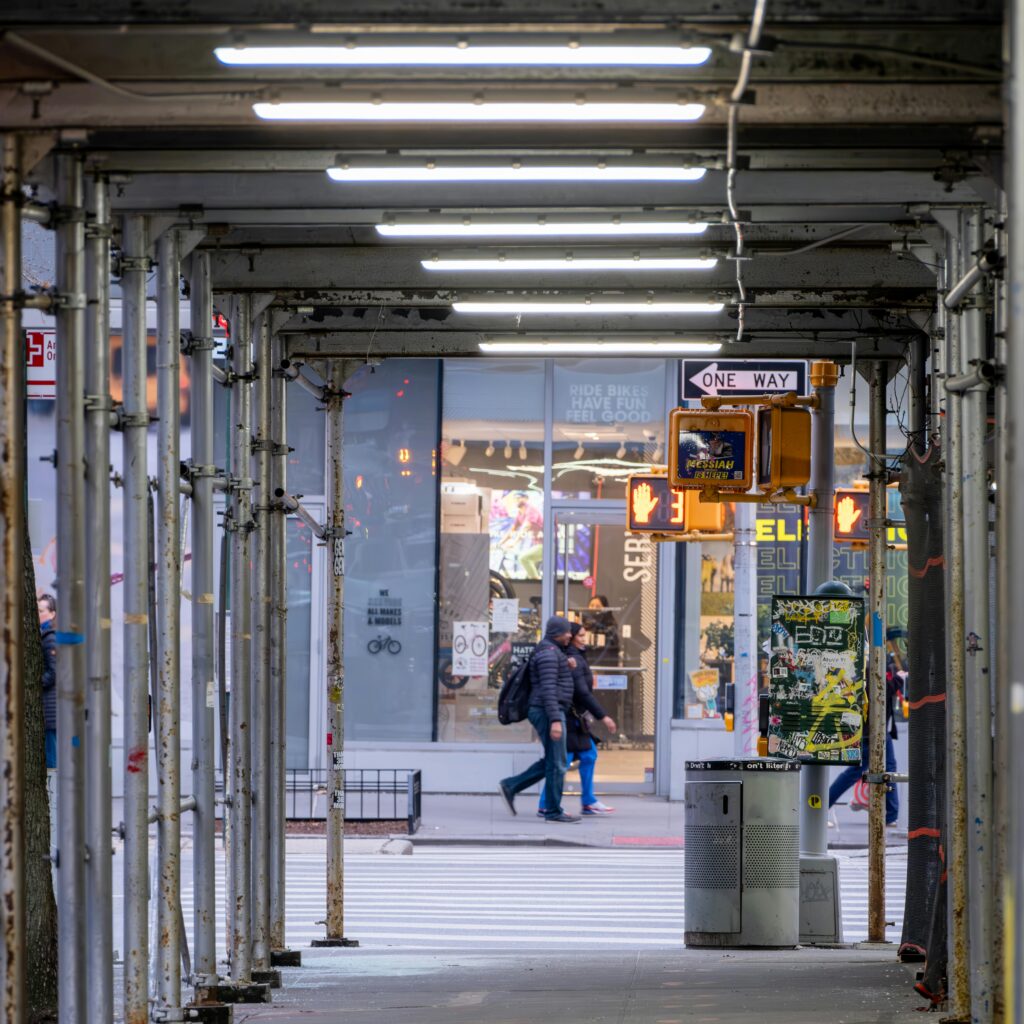
It’s a modest change with wide consequences. By formalizing attention to parapets, New York is closing one of the last gaps in its building-safety system, and in the process setting a strong standard for what routine care really means. It will also quickly highlight many buildings that have been neglected and therefore, increase the size of the scaffolding and restoration industries.