
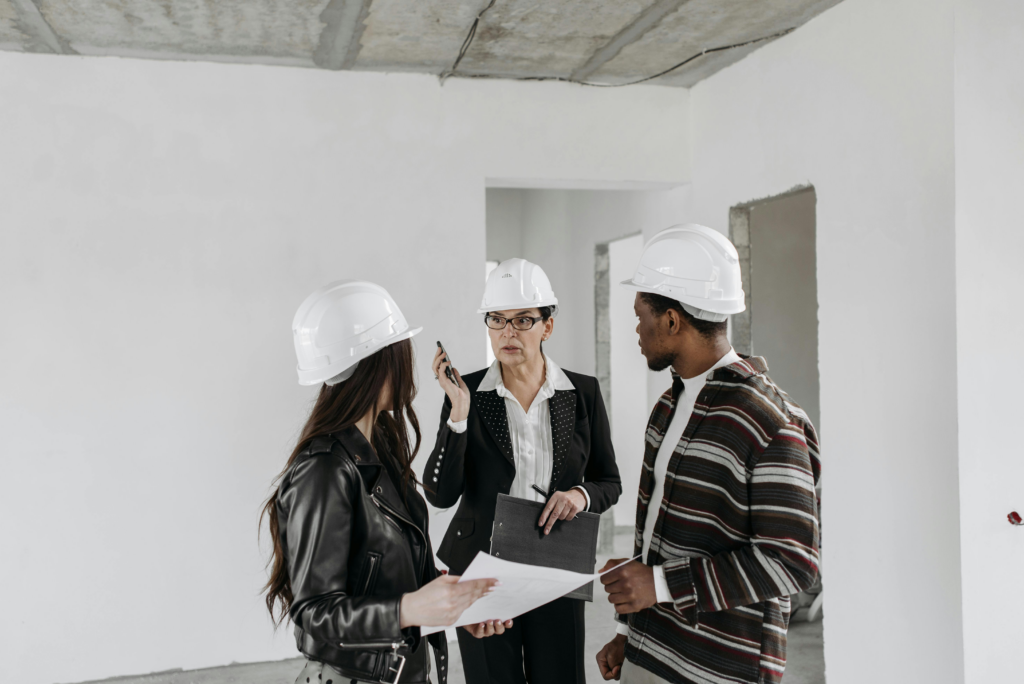
Just send a junior, it’s cheaper…
It’s the line you’ve heard a hundred times and counting. On paper, the junior makes sense: they can take the photos, jot the notes, and check the boxes easily enough. Why burn senior hours on basic observation?
The Shortcut That Costs More Than It Saves
Experience isn’t a line item. Work projects long enough and you’ll know there’s a world of difference between numbers on a spreadsheet and the actual state of play on the ground. So while workforce efficiencies of this sort might seem like low-hanging fruit to rein in costs, they’re the short-term decisions that risk costing fortunes down the road.
Junior engineers are bright, motivated, and essential to the profession’s future. But experience can’t be imported. It has to be built, one site at a time.
When a senior walks a façade, they’re not just cataloging defects. They’re reading the building’s body language: that faint crack whispering of corrosion, the rushed patch job that won’t last the year. A junior can take the same photo while seeing an entirely different story on display.
That ability to feel and instinctively know what the wall is telling you is what you lose without seniors running inspection.
When Cost Savings Turns Into Rework
Every missed cue carries a price tag. One misread lintel, one overlooked displacement joint, and suddenly that “low-cost inspection” leads to violations, unsafe conditions, or a return trip under a new DOB filing.
You don’t see those numbers in a proposal, but you feel them later — in fines, lawsuits, or lost trust. The initial savings vanish the moment a repair has to be done twice.
Experience Mitigates Future Risk
Sending juniors into the field unsupervised is akin to teaching someone to sail without ever letting them feel the wind. By inserting seasoned mentors into projects, you’re giving yourself a sharper, more well-rounded team alongside the craftsmanship that doubles as insurance for your work year over year.
A well-structured field program makes all the difference when learning is interactive:
Pair juniors with senior engineers for their first few inspections.
Treat site walks as live training, explaining not just what to note but why it matters.
Review findings together in the office to reinforce pattern recognition.
It’s important to recognize these as the future-proofing investments they are, rather than overhead.
Fieldwork Is More Than Data Collection
Too often, inspections get treated as clerical work. But a good site visit is more like an act of interpretation, capturing raw observations and subtleties then connecting them with the project backend.
That sensory intelligence is what separates seasoned engineers from newer talent. And when firms treat fieldwork as a task instead of a craft, it’s the first thing to go.
The Safer, Smarter Path Forward
The fix isn’t complex: keep juniors in the mix but never on their own. Pair them, teach them, let them fail safely. With this approach you’ll gain a generation of engineers who understand the work in its full dimension.
Experience in the field isn’t a luxury. It’s the basis for better work from the newest professional to the most seasoned.