
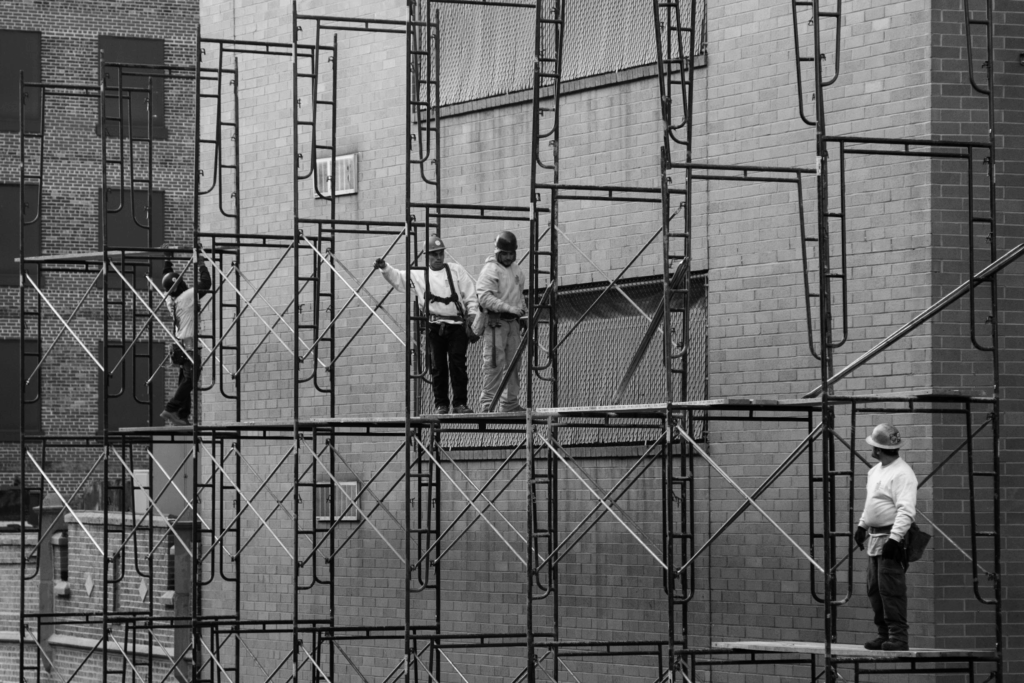
If you own or manage a building in New York City, façade safety isn’t just another line on the maintenance plan. It’s a legal and civic responsibility that keeps residents, pedestrians, and property safe.
The Façade Inspection & Safety Program (FISP), often called Local Law 11, was created to make sure every exterior wall in the city is routinely inspected and properly maintained. It’s one of the most far-reaching building safety laws in the country, and for good reason.
Staying compliant can feel complicated, but it doesn’t have to be. The seven essentials below outline what every owner, board, or property manager should understand about the program and how to stay ahead of it.
1. Building Eligibility and Inspection Cycle
FISP applies to any building taller than six stories, measured from any elevation. Even if a property is six stories on one side and seven on another, it qualifies.
Inspections occur at least every five years. However, a recent law, Intro 394-A (2025), is under review to determine whether certain buildings could move to longer cycles by as much as 12 years based on age, condition, and maintenance history.
To prevent the entire city from filing at once, the Department of Buildings (DOB) divides reporting into three staggered sub-cycles based on block number:
Cycle A: Blocks ending in 4, 5, 6, or 9 — February 2025 to February 2027
Cycle B: Blocks ending in 0, 7, or 8 — February 2026 to February 2028
Cycle C: Blocks ending in 1, 2, or 3 — February 2027 to February 2029
Checking your building’s sub-cycle early helps avoid rush filings and scheduling conflicts.
2. The Role of the Qualified Exterior Wall Inspector (QEWI)
A QEWI is the professional responsible for your building’s façade inspection. They’re either a registered architect or licensed engineer with at least seven years of relevant experience working on façades.
Their job is to create an inspection plan tailored to your property, oversee or conduct fieldwork, and file the final report through DOB NOW: Safety. The QEWI acts as your bridge between the physical work on the building and the city’s reporting system, so choosing someone experienced and communicative pays off.
3. Understanding Façade Condition Ratings
Once the inspection is complete, the QEWI classifies each façade into one of three conditions:
Safe: The building is sound and requires no immediate repairs.
SWARMP (Safe With a Repair and Maintenance Program): Stable for now but needs specific repairs within one to five years.
Unsafe: Requires immediate attention, including protective measures like sheds or fencing.
It’s important to know that the same SWARMP condition can’t be reported two cycles in a row. If it isn’t repaired within the timeframe, it automatically becomes Unsafe in the next filing period.
4. What a Critical Examination Involves
A critical examination is more than a visual scan. It includes both hands-on and close-up inspection methods. For façades facing public areas, close-up checks are required at least every 60 feet along each elevation.
Since Cycle 9 (2020), inspectors have also been required to perform cavity wall probes in every odd-numbered cycle. These probes allow engineers to examine wall ties and hidden corrosion that would otherwise go unnoticed.
5. Report Filing and Documentation
Once fieldwork is finished, the QEWI has 60 days to submit a report through DOB NOW: Safety. The report covers:
A summary of findings and recommendations
A record of inspection procedures and photo documentation
Classification of each observed condition
Detailed repair recommendations with completion dates
Notes on permits or Landmarks Preservation Commission (LPC) approvals, if required
Accuracy matters here. If building or ownership information doesn’t match Department of Finance records, the report will be rejected, and resubmissions must be made within five days to maintain the original filing date.
6. Repair Timelines and Extensions
Unsafe conditions require immediate action. The QEWI must notify both the DOB and the owner, report to 311, and the site must be protected right away with barriers or sheds. Permanent repairs must begin within 90 days unless an extension is granted. Then every 90 days an extension must be filed until the unsafe condition(s) is/are addressed.
SWARMP conditions follow the repair deadlines the QEWI sets, typically one to five years. Missing those deadlines can turn a manageable issue into a costly compliance problem.
Protection measures must stay in place until the amended report confirming completion is filed and accepted.
7. Penalties and Why Prevention Pays
FISP penalties can accumulate quickly:
Failure to file: $5,000 annually
Late filing: $1,000 per month
Failure to repair Unsafe conditions: $1,000 per month plus $20–$40 per linear foot of shed per year
Failure to repair SWARMP conditions: $2,000 civil penalty
Aside from fines, long-term sheds and incomplete work can hurt property value and tenant confidence. Planning ahead and setting aside roughly 1–2 percent of the building’s value annually for exterior maintenance is a practical way to stay compliant and avoid emergencies.
Staying Proactive
FISP compliance isn’t about passing a test. It’s about ensuring your building continues to perform safely in one of the most demanding urban environments in the world.
Start early in your cycle, work with an experienced QEWI, and keep a clear record of every inspection and repair. A proactive approach not only keeps you compliant but helps extend the life of the building itself.
For official guidance, filing deadlines, and resources, visit nyc.gov/buildings and search Façade Inspection Safety Program.