
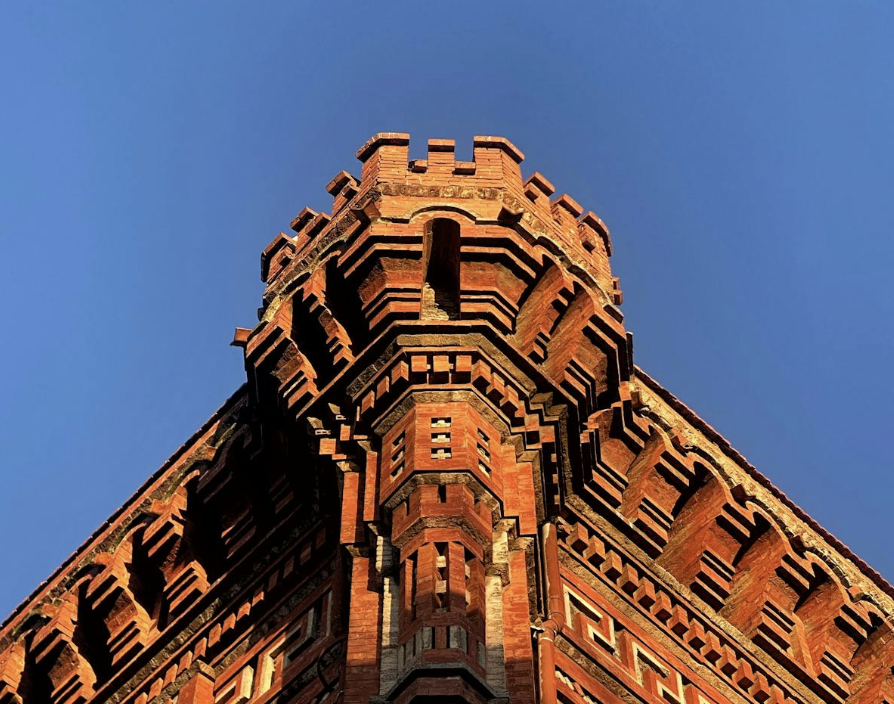
How NYC’s Most Stunning Facades Are Its Most Challenging to Restore
—
Introduction
If you walk through any neighborhood in New York from before the first World War, no matter where you look you will see terra cotta. Last century, this material was at the forefront of building technology. In today’s world, it’s the single greatest cause of migraines in the field of restoration.
—
The Rise of Terra Cotta: A Brief History
Terra cotta became the darling of NYC architects in the late 1850’s for compelling reasons:
Fire Resistance: Circa the Great Chicago Fire of 1871, there was a wave of updates in building codes which now demand fireproof construction.
Design Flexibility: Unlike other materials such as limestone or granite, terra cotta could be molded into virtually any shape.
Lightweight Construction: Terra cotta weights roughly 130 lbs per cubic foot, versus various stones that can weigh up to 175 lbs per cubic foot.
Cost Efficiency: With the upbringing of Industrialization in the US, there was high attention on cost and work efficiency of materials. Terra cotta was one of the easiest and cheapest to mass produce.
—
Why Terra Cotta Fails
Despite its advantages, terra cotta has inherent vulnerabilities:
- Water Infiltration – With terra cotta being porous, once water penetrates the glaze spalling is at risk dues to freeze-thaw cycles.
- Hidden Steel – Many terra cotta systems used internal steel anchors. When water reaches this steel, it rusts and expands.
- Glaze Deterioration – The protective glaze used over the terra cotta degrades over time.
- Settlement and Movement – Buildings move, terra cotta’s rigid and brittle structure doesn’t accommodate movement well.
- Original Installation Defects – Manufacturing and installation techniques varied widely.
—
The Repair Dilemma
Matching is Difficult – Original colors and glazes are nearly impossible to replicate exactly, especially since it has over 100 years of patina. This leaves very little room for color matching, unless the new (insert word for new terra cotta) stands out like a sore thumb.
Replacement vs. Repair – Making the wrong call wastes money or creates safety hazards. Repairs are now scrutinized by the DOB, with replacements becoming basically the sole options for repair.
Finding Craftspeople – Skilled terra cotta specialists are increasingly rare.
Hidden Conditions – What looks like a single damaged piece often reveals systemic failures.
—
The CORE of terra cotta Repair:
- Comprehensive investigation: Never assume visible damage tells the full story
- Ongoing Durability: Addressing underlying conditions and replacing wholesale pays dividends over decades
- Root Causes: Replacing terra cotta without addressing water infiltration ensures problems will return in the future
- Evaluate Alternative Materials: If possible, GFRP (fiberglass) or cast stone/GFRP can replicate terra cotta’s appearance but have their own limitations. Cast stone/GFRP for example is a cheaper alternative but has a much shorter lifespan, and GFRP is a durable long term solution, but the upfront engineering can be costly and time consuming.
—
The Bottom Line
Terra cotta embodies both the ambition and the challenge of NYC’s architectural heritage. Caring for it properly requires understanding its history and working with specialists who know the material intimately.