
Introduction
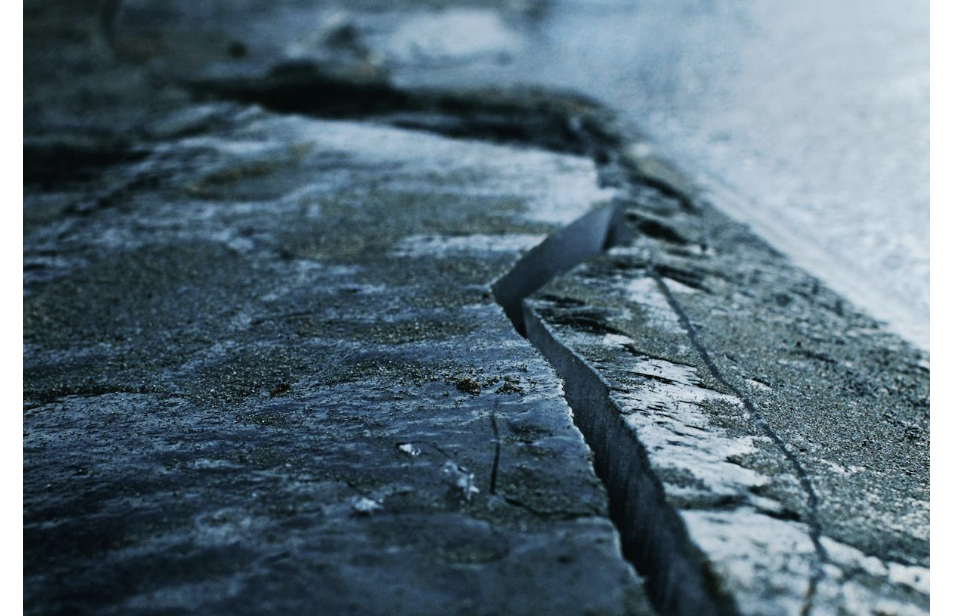
A hairline fracture in a parapet wall, hardly visible and easily ignored. Cut to six months, that same fracture is costing the owner $400,000 in repair while wondering: “how did things spiral this far out of control?”
Unfortunately this is not a unique story for NYC building restorations. As a matter of fact, it is disturbingly common. The road from “minor inconvenience” to “unimaginable expense” is a pattern that property managers, board members, and building owners need to start recognizing because catching it early is the only route out of this mess.
—
The Anatomy of Scope Creep
Phase 1: The Initial Discovery
Every disastrous end has a smooth beginning: a FISP inspector notices some spalling, a super reports water staining in a hallway, and a tenant voices worry over a draft near their window.
Phase 2: The Quick Fix Mentality
Procrastination is far too tempting: to patch and forget, to apple sealant, replace a handful of faulty bricks. These temporary band-aid like solutions are only providing momentary relief but do little to solve the problem.
Phase 3: The Hidden Progression
While from the surface everything is going swimmingly, the underlying conditions will only continue to worsen. Water will only infiltrate more, steel will continue to corrode, and the masonry will weaken.
Phase 4: The Reckoning
Once the face of the damage is finally revealed, owners will face a brutal choice: pay a significantly greater price than earlier intervention, or wait while the scaffolding and protection costs continue to build.
—
Real Numbers: What Delayed Repairs Actually Cost
Year 1 discovery: Estimated $45,000 repair
Year 2 after deferral: Scope expands to $120,000
Year 3 with structural involvement: Final cost $400,000+
—
Breaking the Cycle: A Proactive Approach
- Treat Every Crack as a Question
- What caused this? Is this recurring?
- Budget for Discovery
- Reflect on the current cost impact it would make
- Create Communication Channels
- Voice this with leaders in the building
- Track Conditions Over Time
- Monitor continuously to determine if it is worsening and is an issue
- Get Ahead of the Curve
- Take early action and understand this will only take more time and cost more the longer you wait
—
The Bottom Line
That insignificant crack might not be telling you everything, it might just be the tip of the iceberg. What lies underneath might cost you hundreds of thousands of dollars later.